

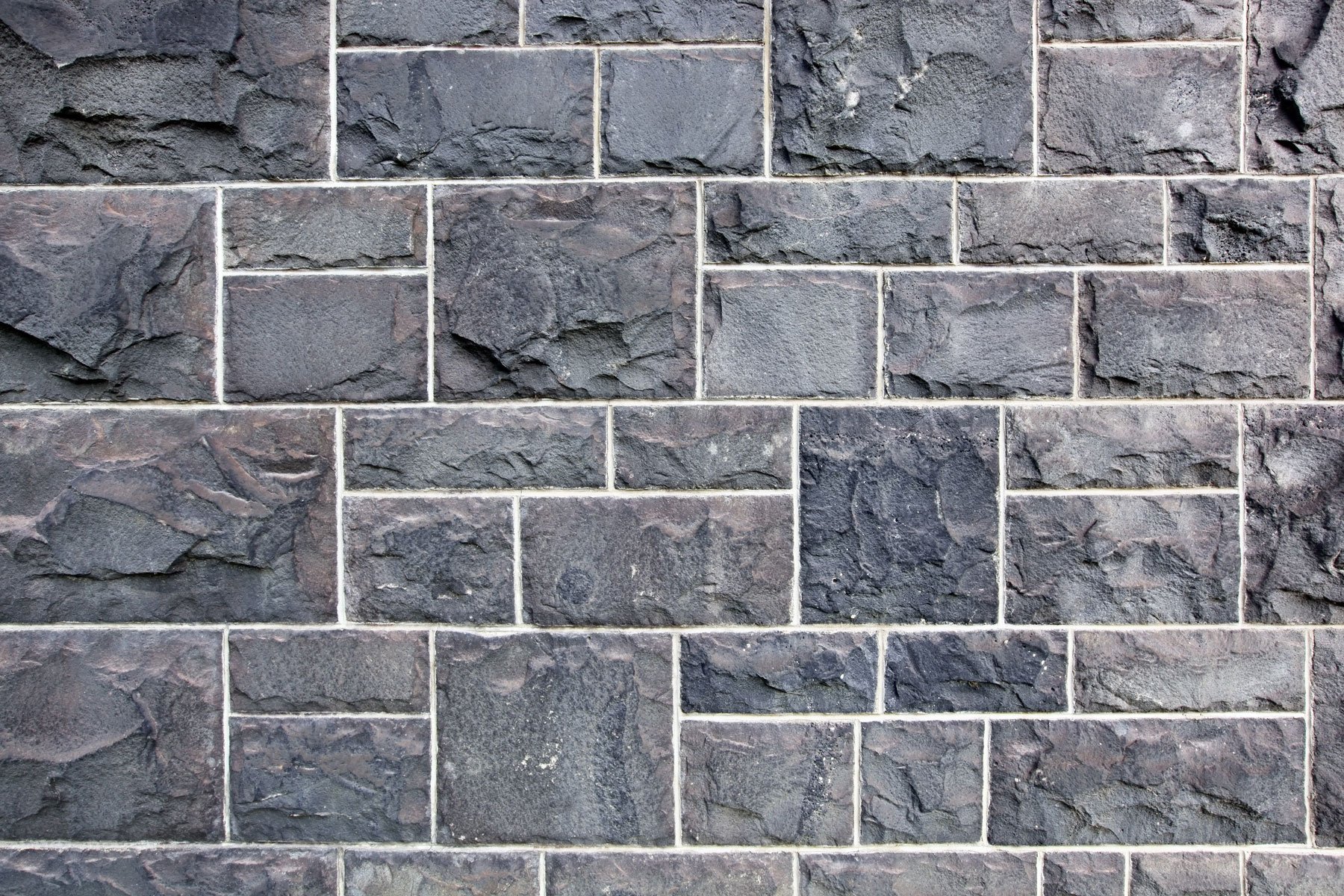
A Homeowner's Guide to Masonry Materials
Understand your stone, veneer, mortar and joint options before you build. A clear look at what each material does best, written to help you plan with confidence.
Stonework is a long-term investment in your home. The materials you choose shape how the work looks, how it stands up to New Jersey weather, and how much care it needs over the years. This guide covers the materials and methods we use most often at Earth & Mortar, so you can weigh your options before and during a consultation. We build and restore masonry across Spring Lake, Middletown and the wider Monmouth County area, and we are glad to help you think through the right fit for your home.
Choosing the Right Stone
Natural stone materials
The stone you select affects both appearance and durability. Here is how the materials homeowners ask about most often compare.
Bluestone vs. Limestone
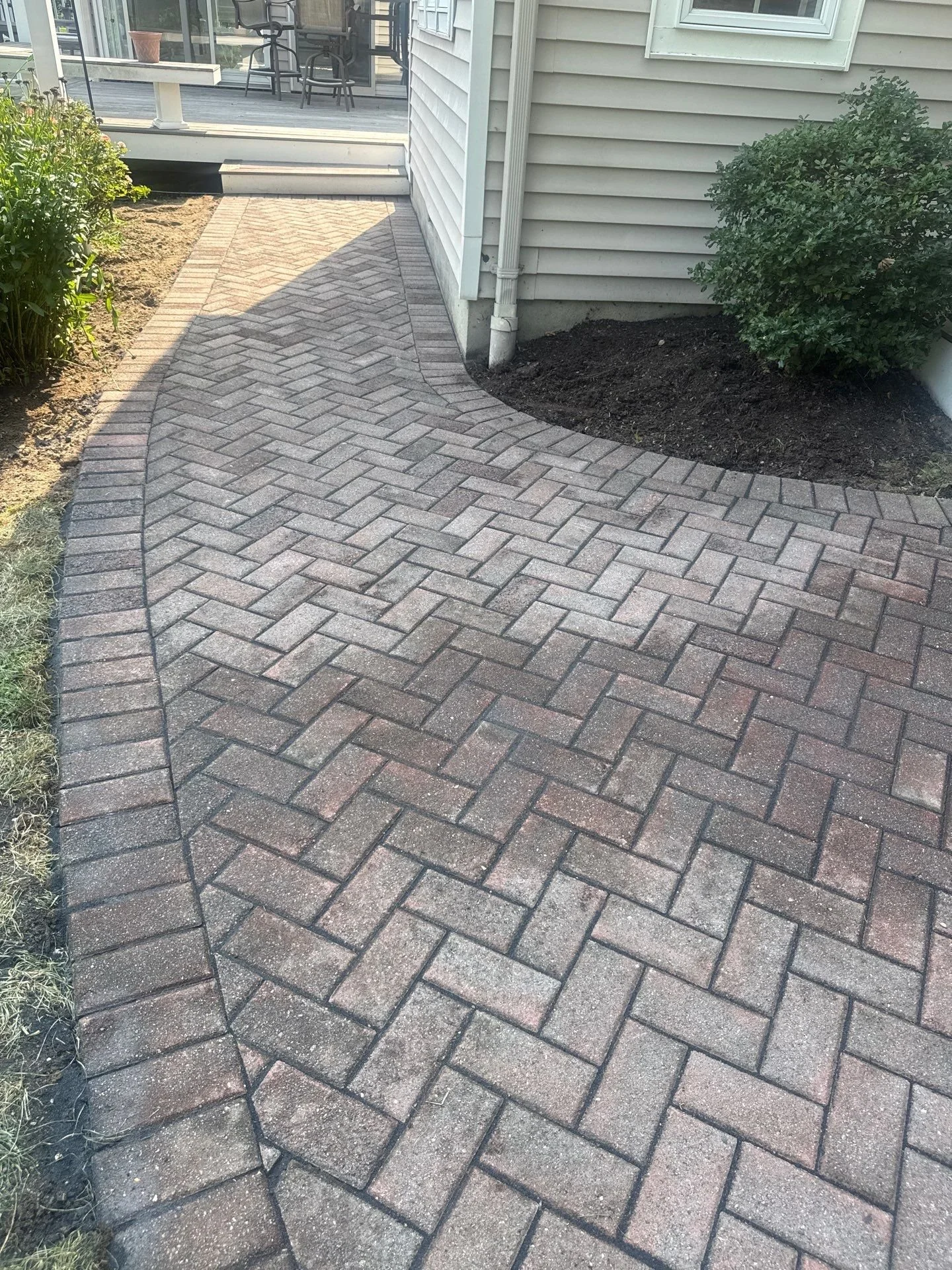
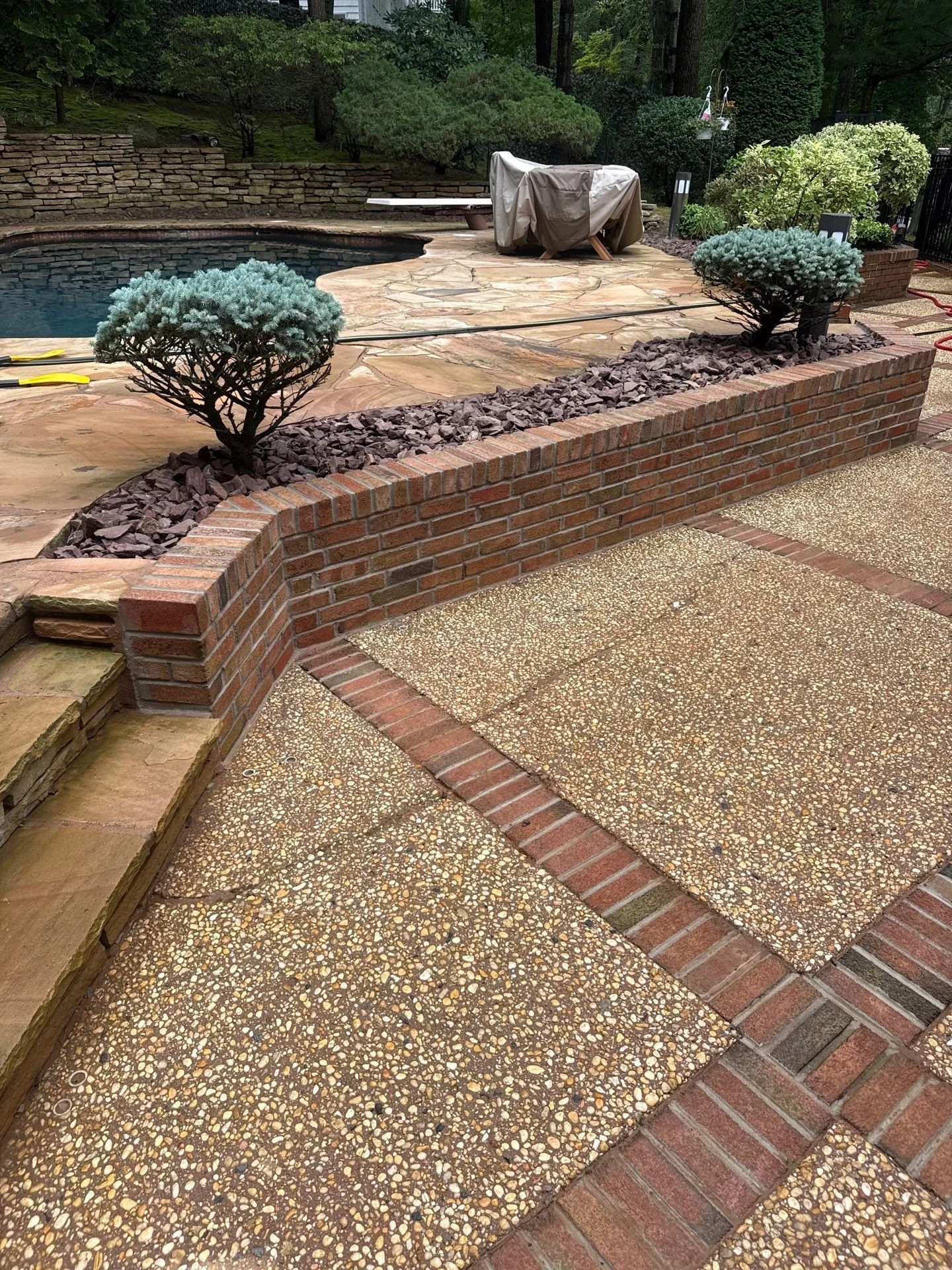
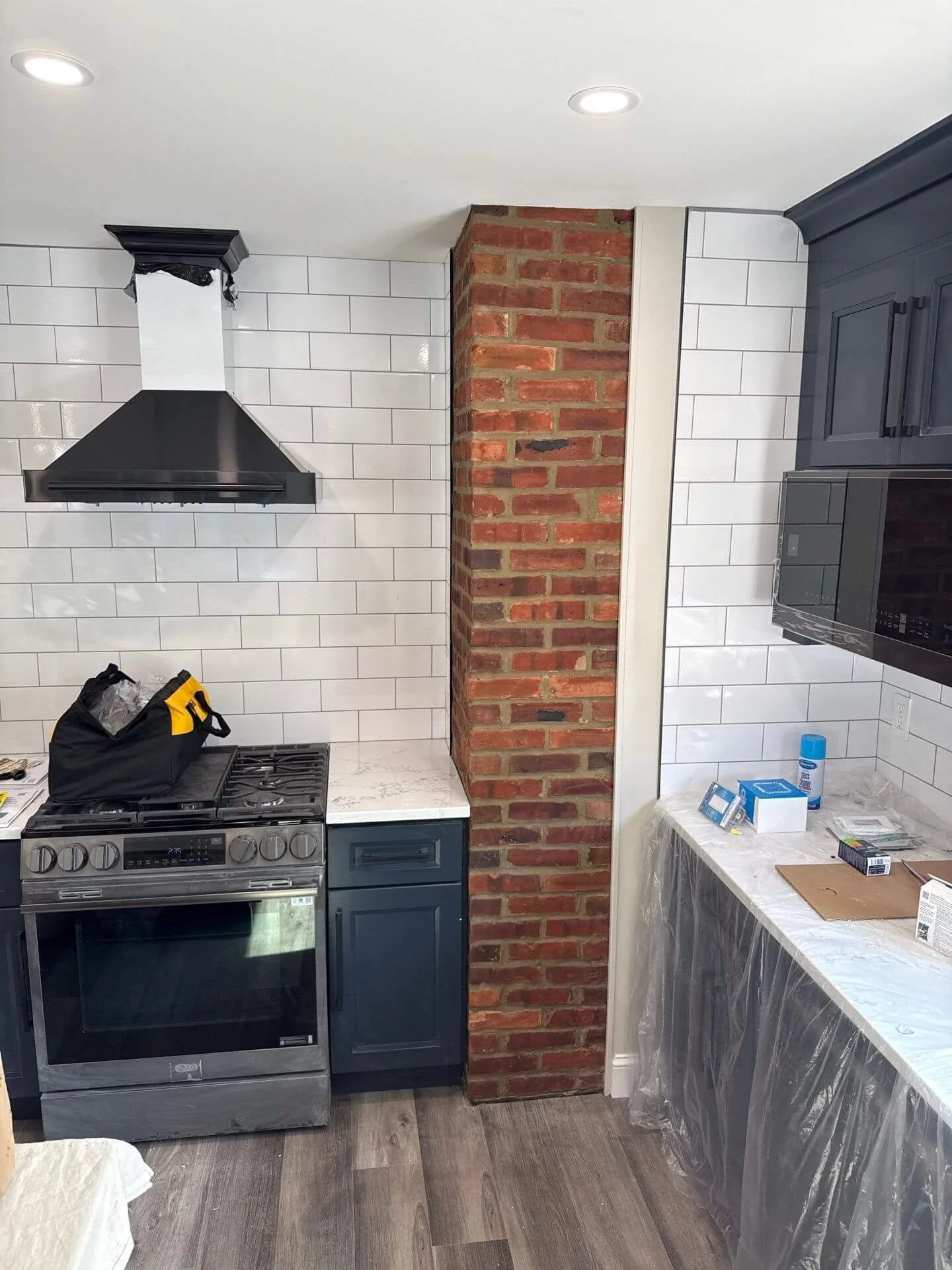
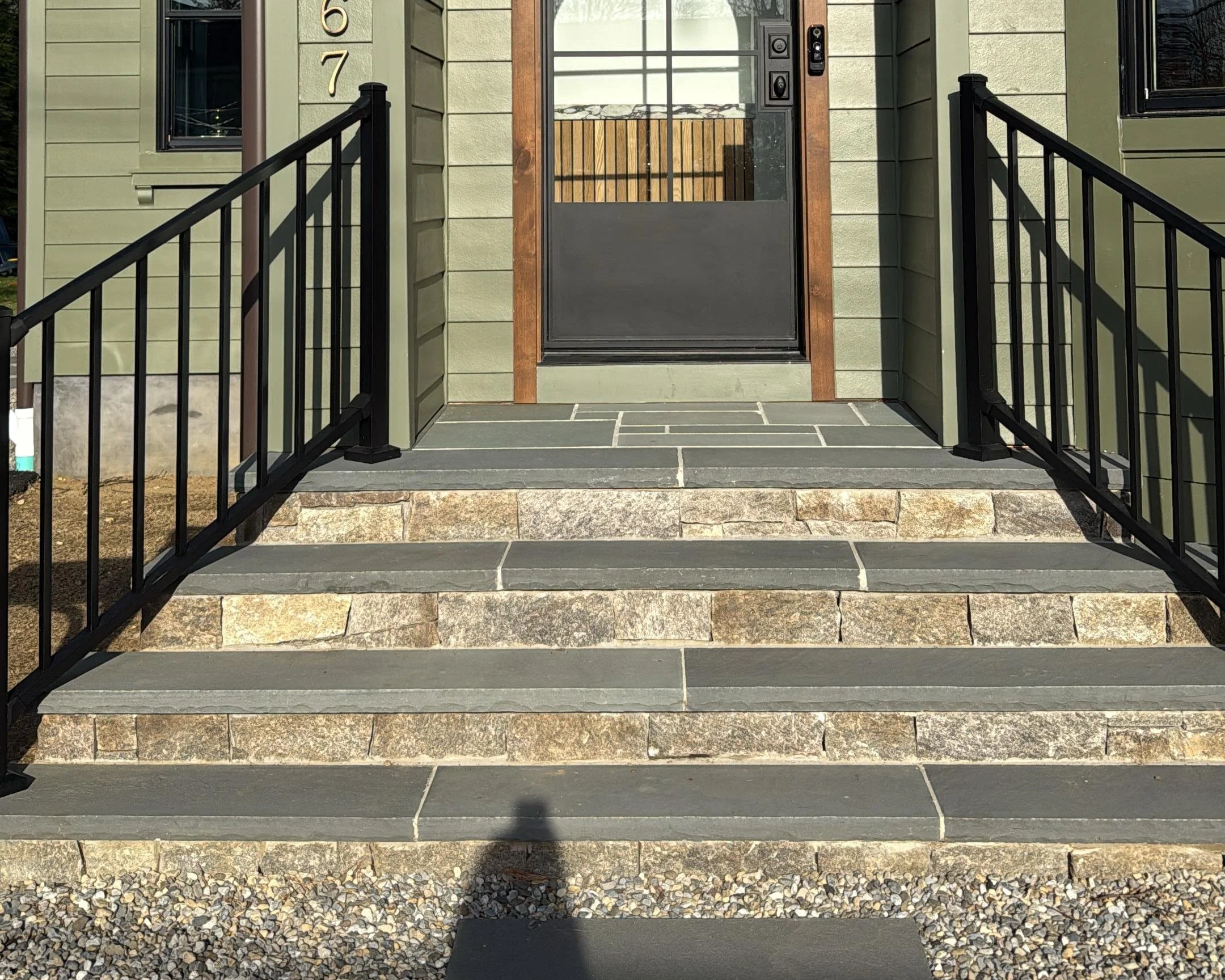
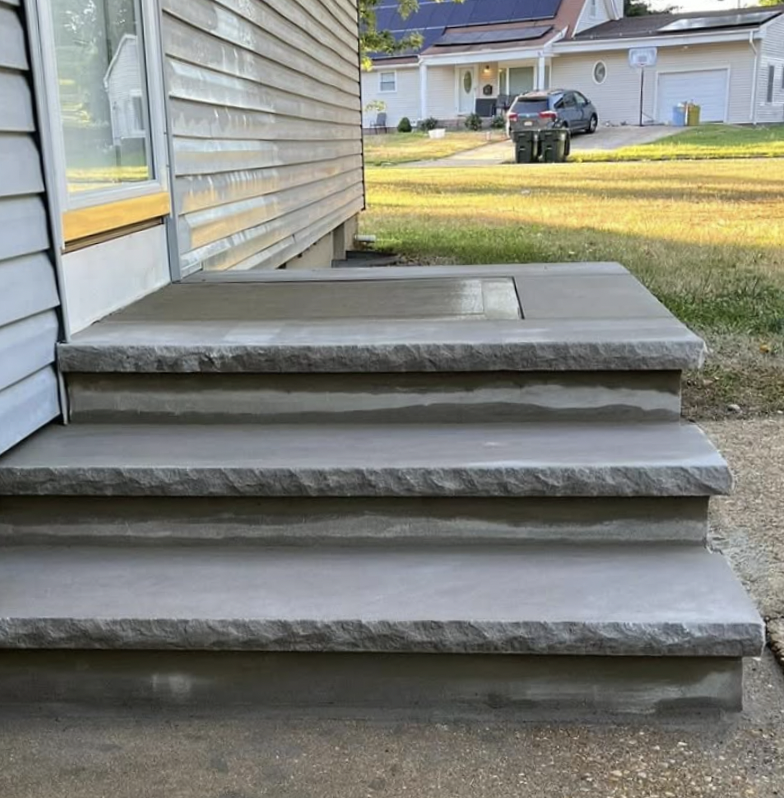
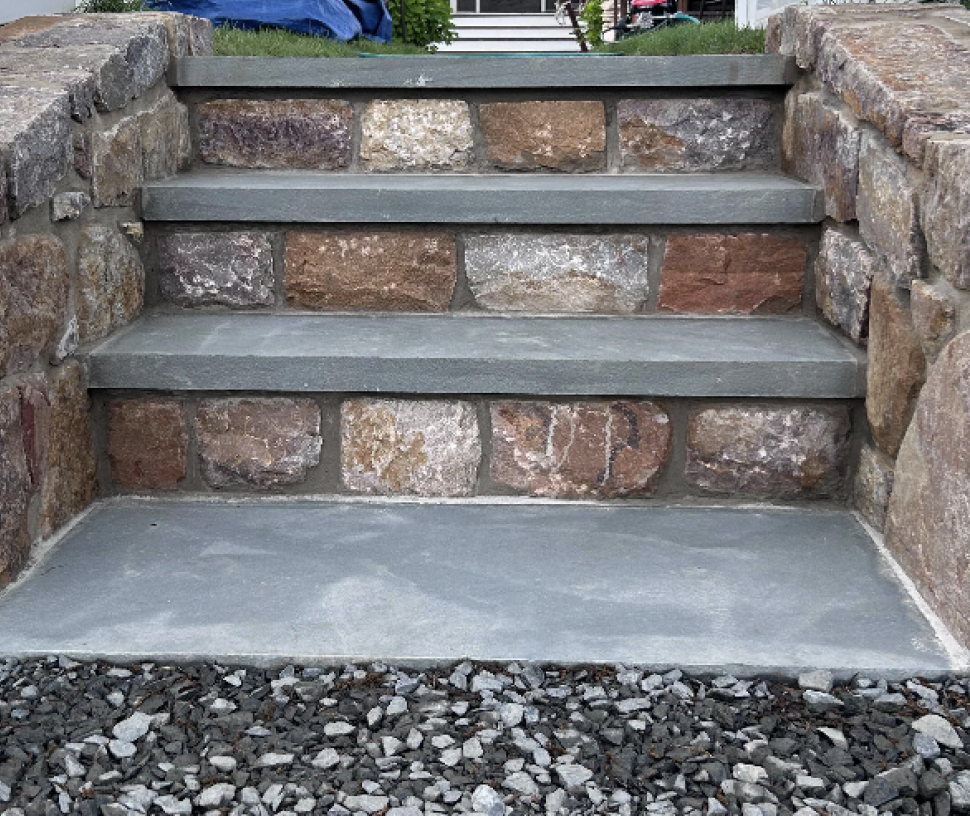
Bluestone and limestone are the two natural stones homeowners choose most often for stairs, patios and walkways. Bluestone is denser and stands up better to weather, which suits high-traffic surfaces, while limestone offers a softer look at a lower cost. The right pick comes down to how much wear the surface will take and the look you are after.
Limestone
Bluestone
| Stone | Appearance | Durability | Cost | Best for |
|---|---|---|---|---|
| Bluestone | Rich color variations, blue to green to brown | More resistant to weathering | More expensive | High-end patios and elegant staircases |
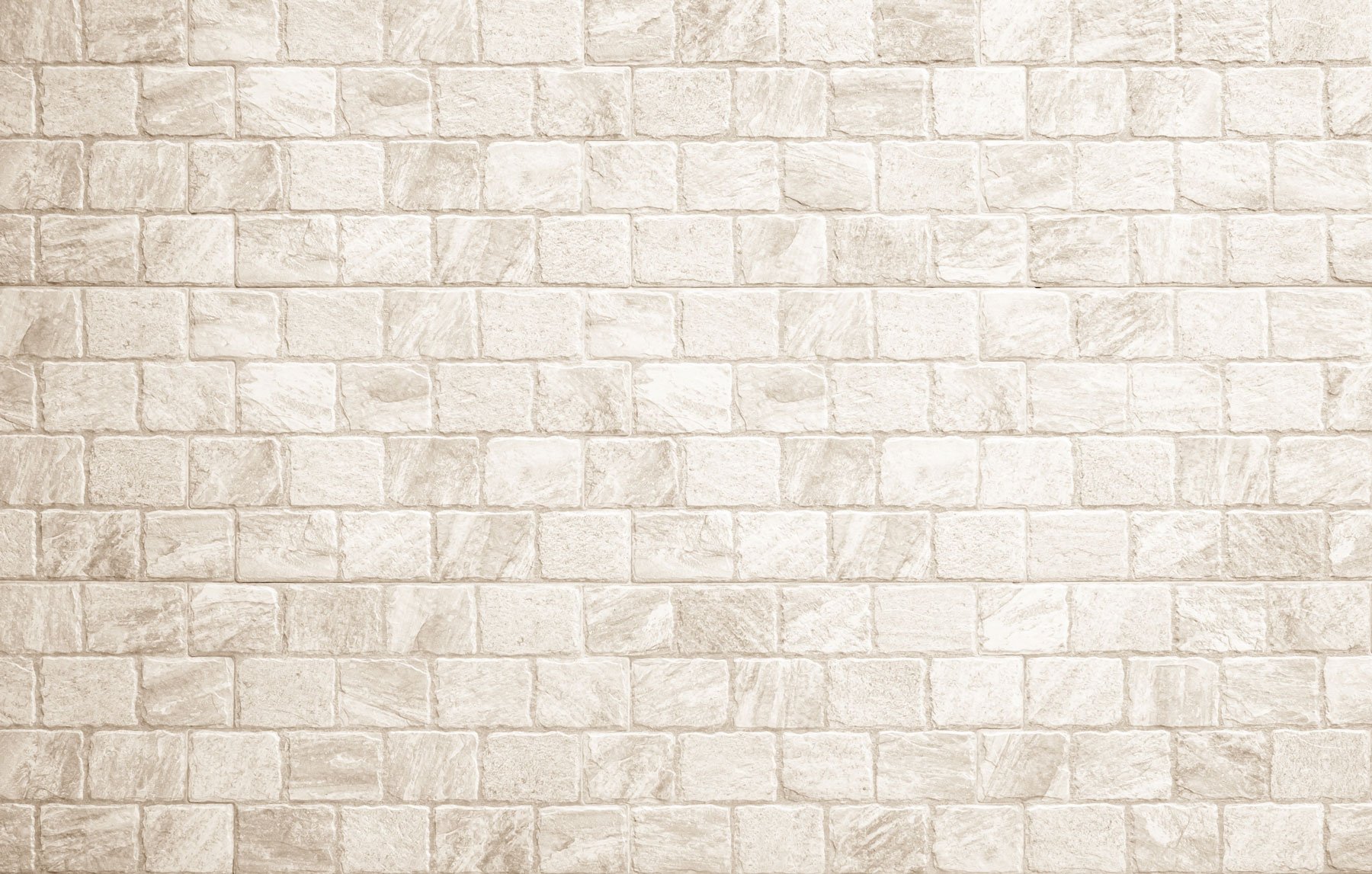
| Limestone | Light beige and white, softer look | Softer and more prone to wear | Less expensive | Cost-conscious projects and walkways |
Cultured Stone Veneer
Natural Stone
Natural Stone vs. Cultured Stone Veneer
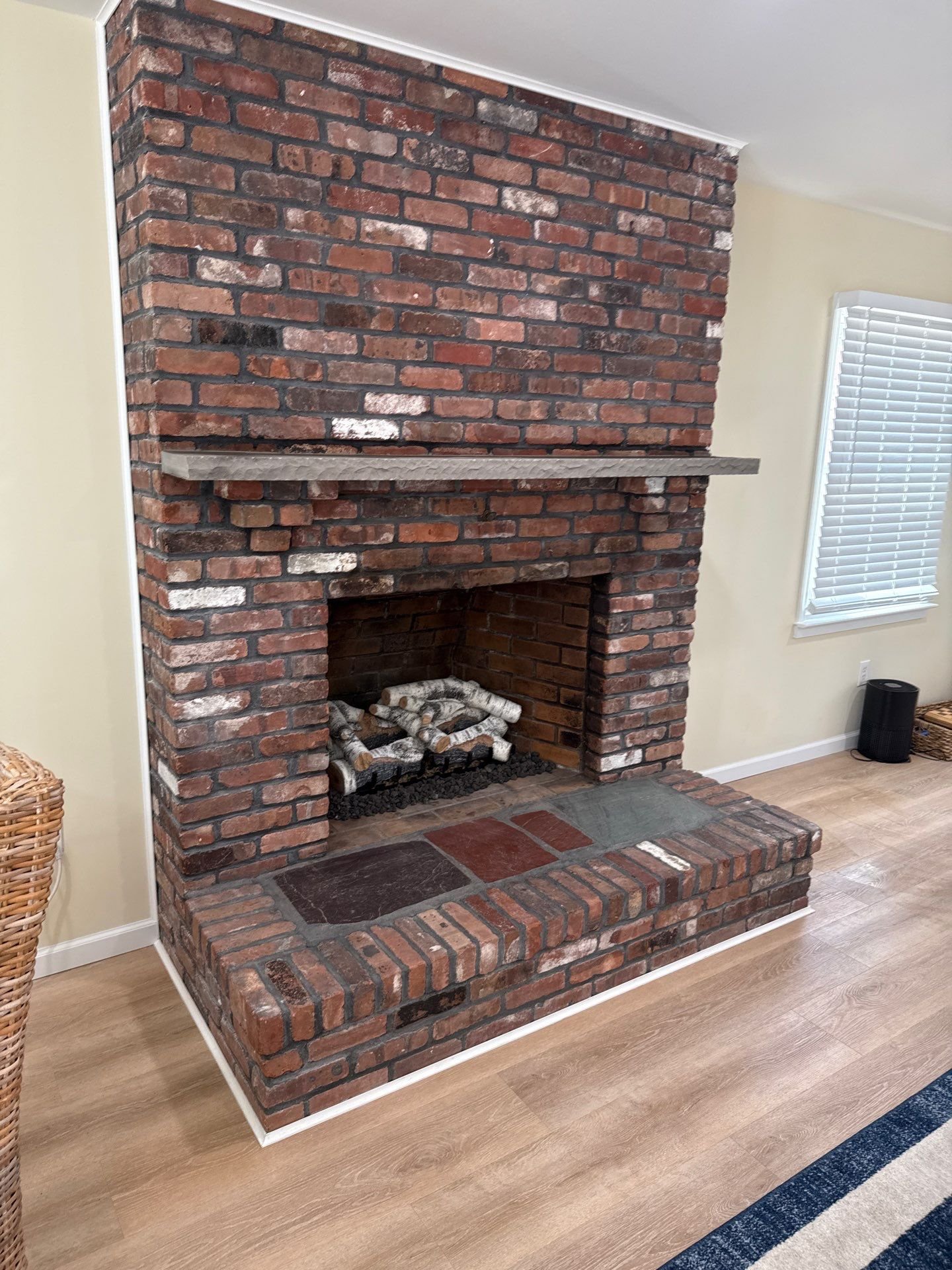
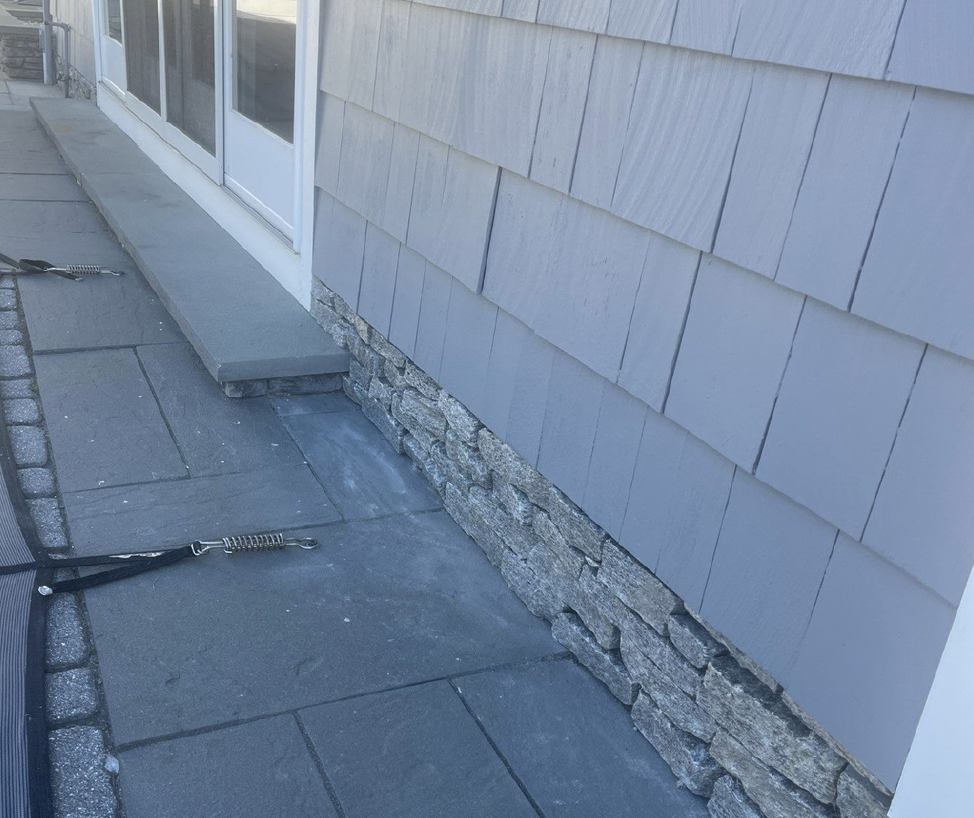
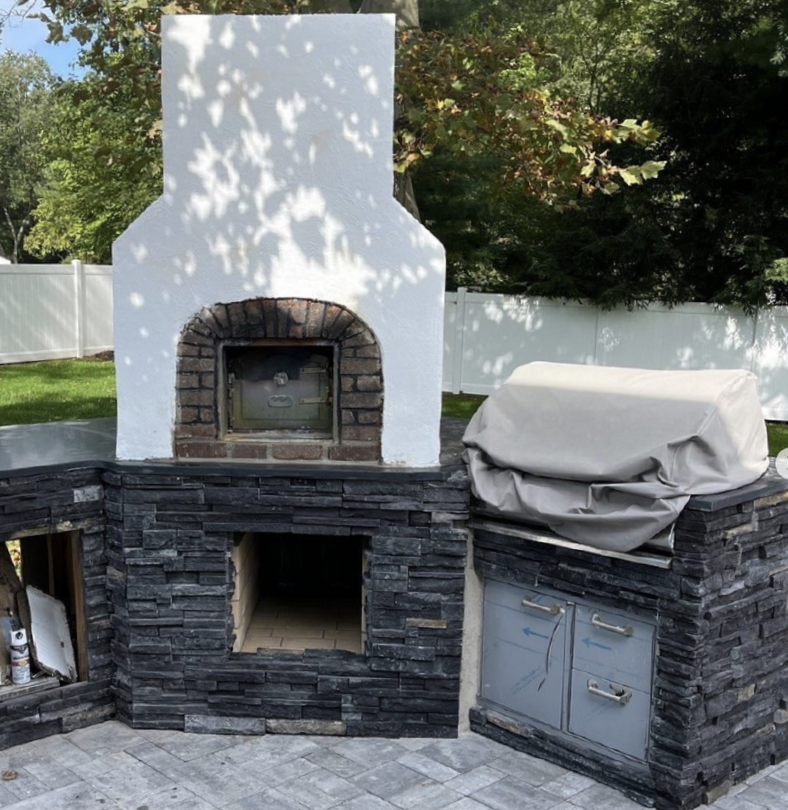
For fireplaces, foundations and steps, the choice usually comes down to natural stone or cultured stone veneer. Natural stone is quarried from the earth, has unique texture and lasts a very long time, while cultured stone is molded concrete that mimics the look at a lower cost in set colors and patterns. Natural stone fits permanent, high-end work, and cultured stone fits tighter budgets.
| Material | Material type | Durability | Appearance | Cost | Best for |
|---|---|---|---|---|---|
| Natural stone | Quarried directly from the earth | Extremely long-lasting | Unique, authentic textures | More expensive | Permanent, high-end projects |
| Cultured stone | Concrete molded to mimic stone | Lighter, but less durable | Available in specific colors and patterns | More cost-effective | Budget-conscious projects |
Choosing the Right Joint & Wall Method
How the stone is set
How stone is held together matters as much as the stone itself, especially outdoors in New Jersey's freeze-thaw winters.
Dry Stack
Mortar Joints
Mortar vs. Dry Stack (Fireplaces & Walls)
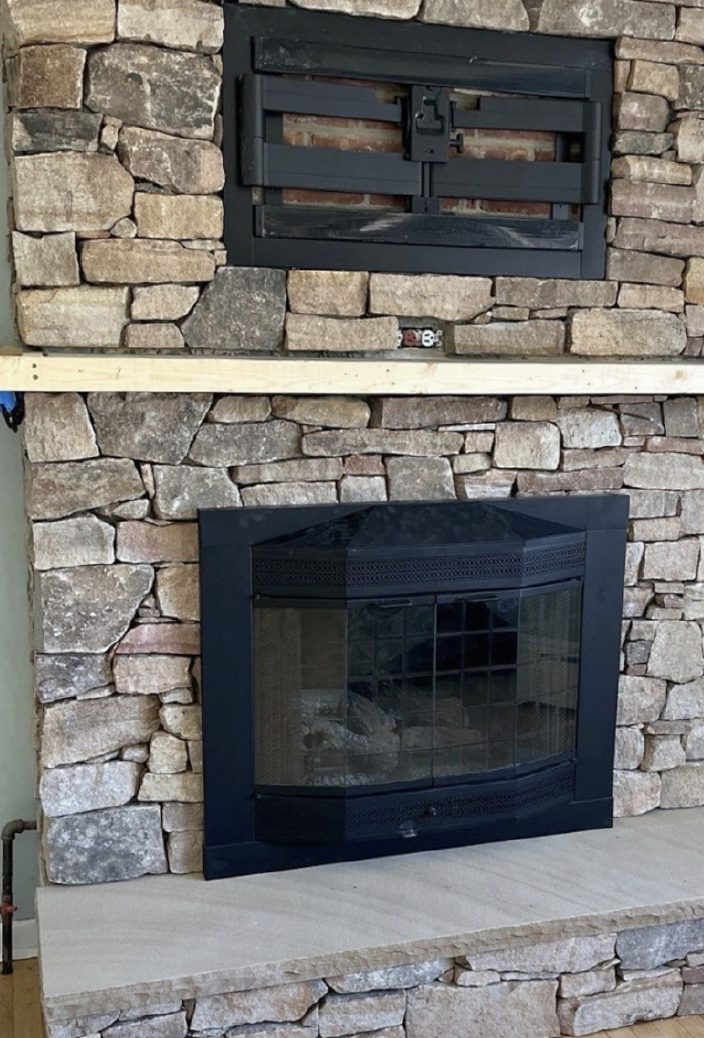
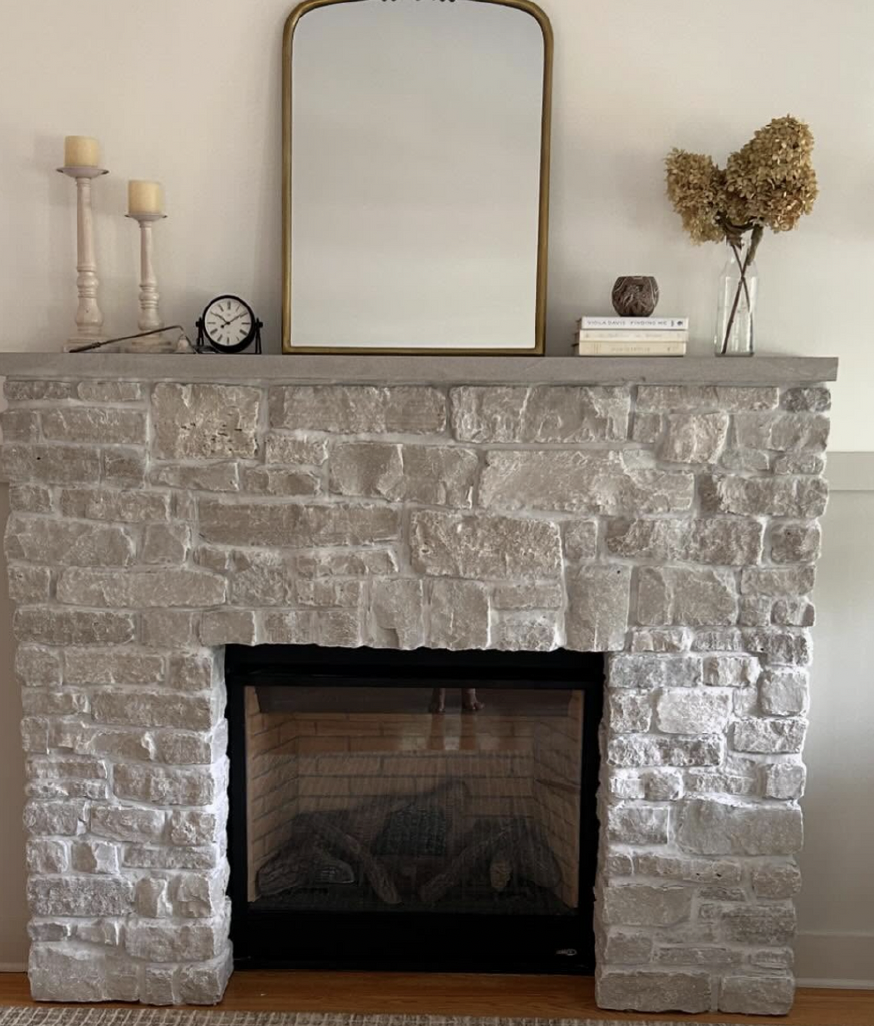
How stone veneer is set matters as much as the stone itself. Dry stack gives a natural, rustic look with no visible mortar, while mortar joints add structural stability and better resist moisture. Dry stack is well suited to indoor fireplaces, and mortar is the stronger choice for anything exposed to the weather.l
| Method | Strengths | Trade-offs | Best for |
|---|---|---|---|
| Dry stack | Natural, rustic look favored in high-end designs | Needs expert installation; moisture can seep behind the stones | Custom indoor fireplaces and stonework where weather is not a concern |
| Mortar joints | Structurally stable with less shifting and water damage | Mortar can crack over time and need repointing | Outdoor and exterior stonework |
Mortar Retaining Walls
Dry Stack Walls
Dry Stack vs. Mortar (Retaining Walls)
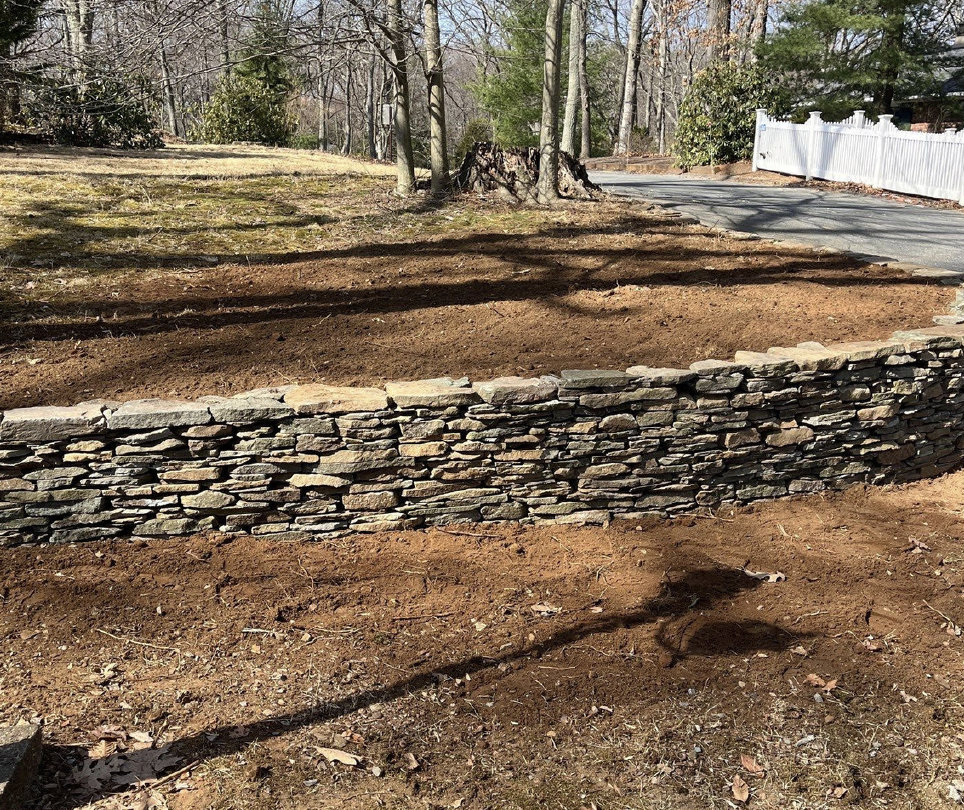
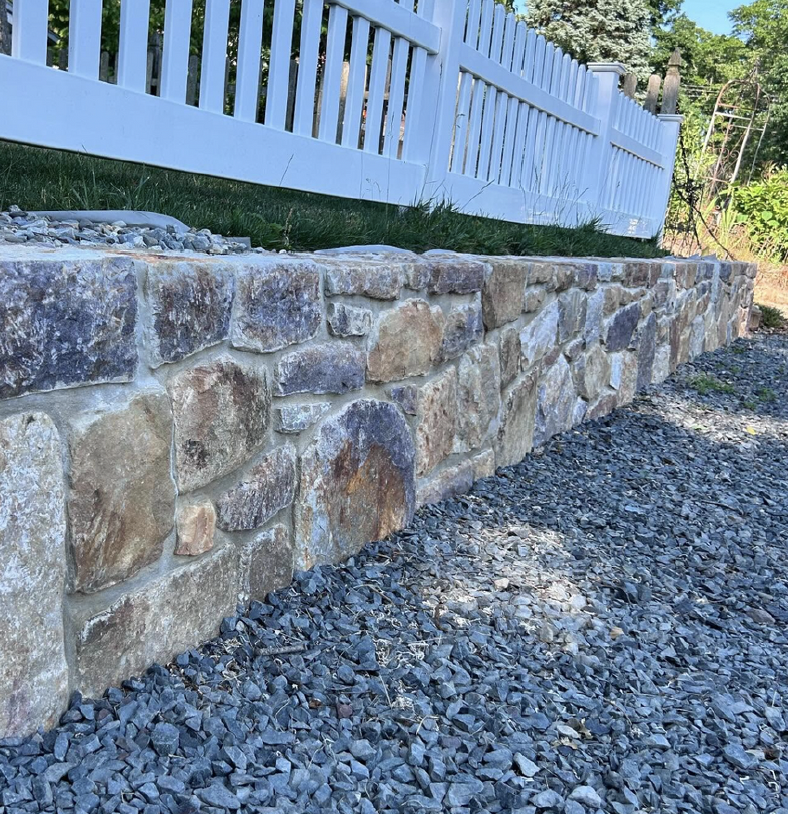
Retaining walls can be built dry stacked or mortared, and each handles New Jersey conditions differently. Dry stack walls flex with soil movement and drain well, which helps in yards prone to frost heaving, while mortared walls are stronger and better suited to larger, taller builds. Wall height, drainage and the slope of your yard usually decide which is right.
| Method | Construction | Durability | Appearance | Cost | Best for |
|---|---|---|---|---|---|
| Dry stack | Stone or block stacked without mortar | Low maintenance with excellent drainage | Rustic and natural, blends into the landscape | Less expensive | Areas with soil movement or frost heaving |
| Mortar | Stone set with mortar joints | Stronger, but affected by freeze-thaw cycles | Polished and finished with visible joints | More expensive | Larger, taller walls |
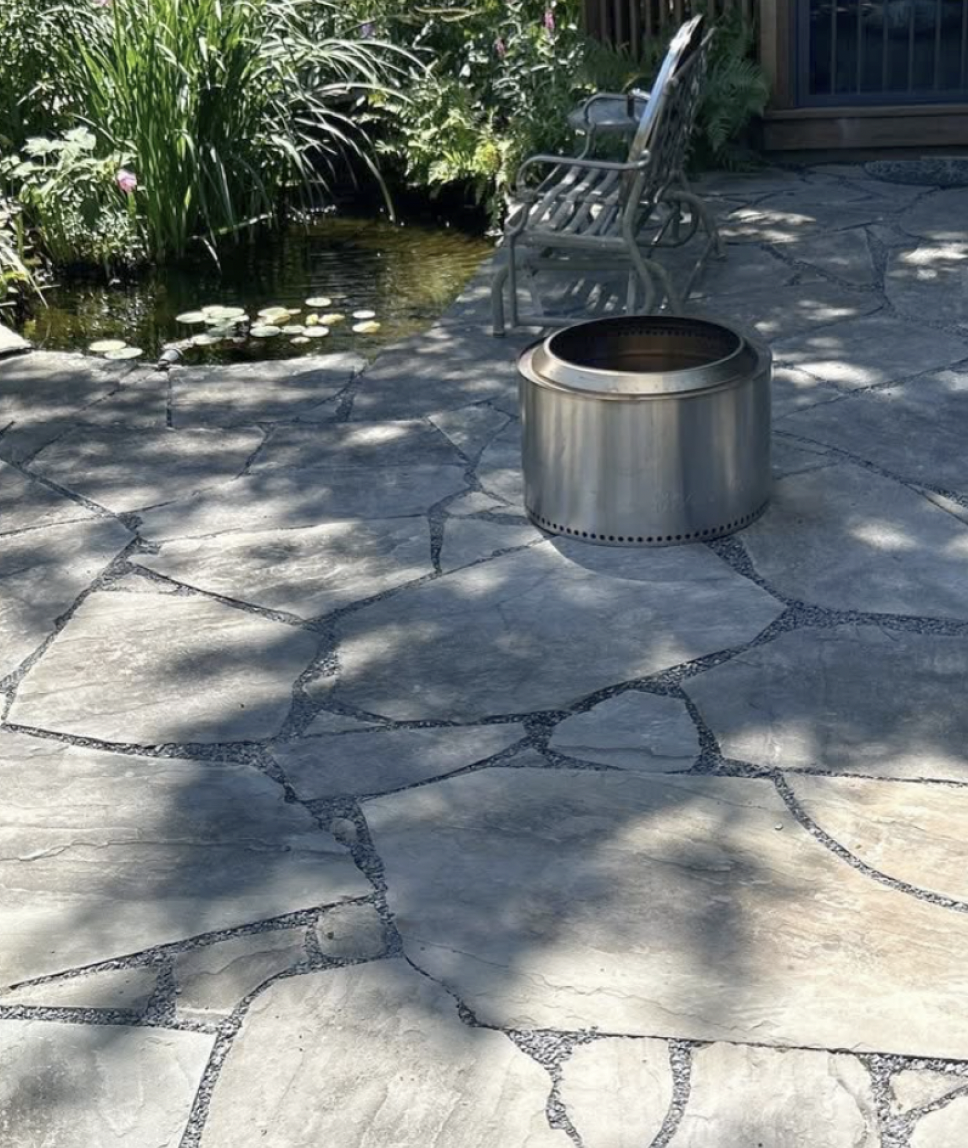
Joint Materials for Stone Walkways
On a stone walkway or patio, the material filling the joints affects drainage, weed control and how well the surface holds up over time. Gravel and stone dust give a natural look and good drainage, while polymeric and resin sand lock the joints more firmly for tighter spacing and heavier traffic. The best choice depends on the joint size and how much foot traffic the path will see.
| Joint material | Strengths | Trade-offs | Best for |
|---|---|---|---|
| Gravel | Good drainage with a rustic look | Can shift and be disturbed by pets | Casual walkways and rustic patios |
| Stone dust | Quick to install, natural look | Can be affected by wind and weeds | Small patios and stepping-stone paths |
| Polymeric sand | Firm and prevents weed growth | Not for large joints; may crack | Tighter joints |
| Resin sand | Durable and resists shifting | Expensive | Large joints and heavy-traffic areas |
Common Stonework Issues
What to watch for
Catching problems early keeps a small repair from becoming a structural one. These are the issues we see most often on older masonry.
Foundation issues
Small cracks in exterior stone can lead to major damage if ignored. Interior basement cracks may point to a moisture problem.
Mortar joint deterioration
Gaps in the joints let water seep in and weaken the structure over time. Repointing restores the joint before damage spreads.
Loose veneer
Loose stone can lead to larger sections detaching over time. Proper installation and timely repair prevent costly future work.
Frequently Asked Questions
-
Bluestone is a dense stone with rich blue, green and brown tones that holds up well to weather, which makes it a strong choice for patios and steps. Limestone has a softer beige-to-white appearance and a lower cost, but it wears more easily. Bluestone suits high-end, high-traffic surfaces, while limestone fits more cost-conscious projects.
-
Natural stone is quarried from the earth, offers unique texture and lasts a very long time, which suits permanent, high-end work. Cultured stone is molded concrete that mimics stone at a lower cost and in set colors and patterns, but it is lighter and less durable. The right choice depends on your budget and how long you want the installation to last.
-
Dry stack walls move with the soil and drain well, which makes them a good fit for yards with soil movement or frost heaving. Mortared walls are stronger and better suited to larger, taller builds, though they are more affected by freeze-thaw cycles. We help homeowners weigh wall height, drainage and site conditions before deciding.
-
Mortar naturally weakens over time, and New Jersey's freeze-thaw cycles speed that up as water enters the joints and expands. The repair is repointing, which removes the failing mortar and replaces it with fresh mortar matched to the original. Addressing it early keeps water out and protects the structure behind the stone.
-
Coastal Monmouth County homes deal with salt air and repeated freeze-thaw cycles, so denser materials like bluestone and properly mortared, well-drained assemblies tend to perform best outdoors. Good drainage and sound mortar joints matter as much as the stone itself. We account for these conditions when planning work in Spring Lake and other shore communities.
-
Watch for cracks in exterior stone, gaps or crumbling in the mortar joints, and any stones that feel loose. Interior basement cracks can signal a moisture problem worth checking. An annual inspection catches these signs early, when repairs are smaller and less costly.
See Our Masonry Work
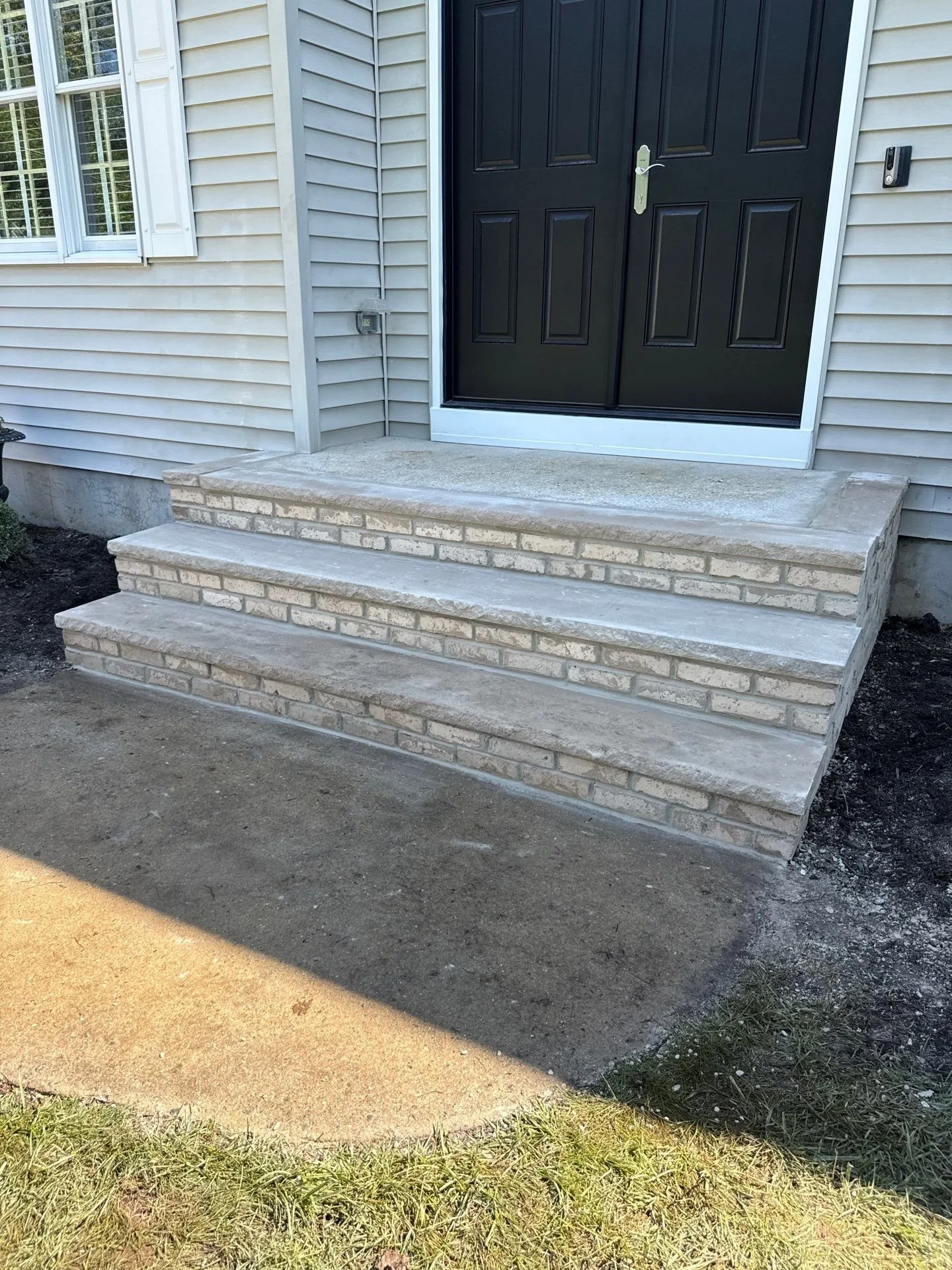
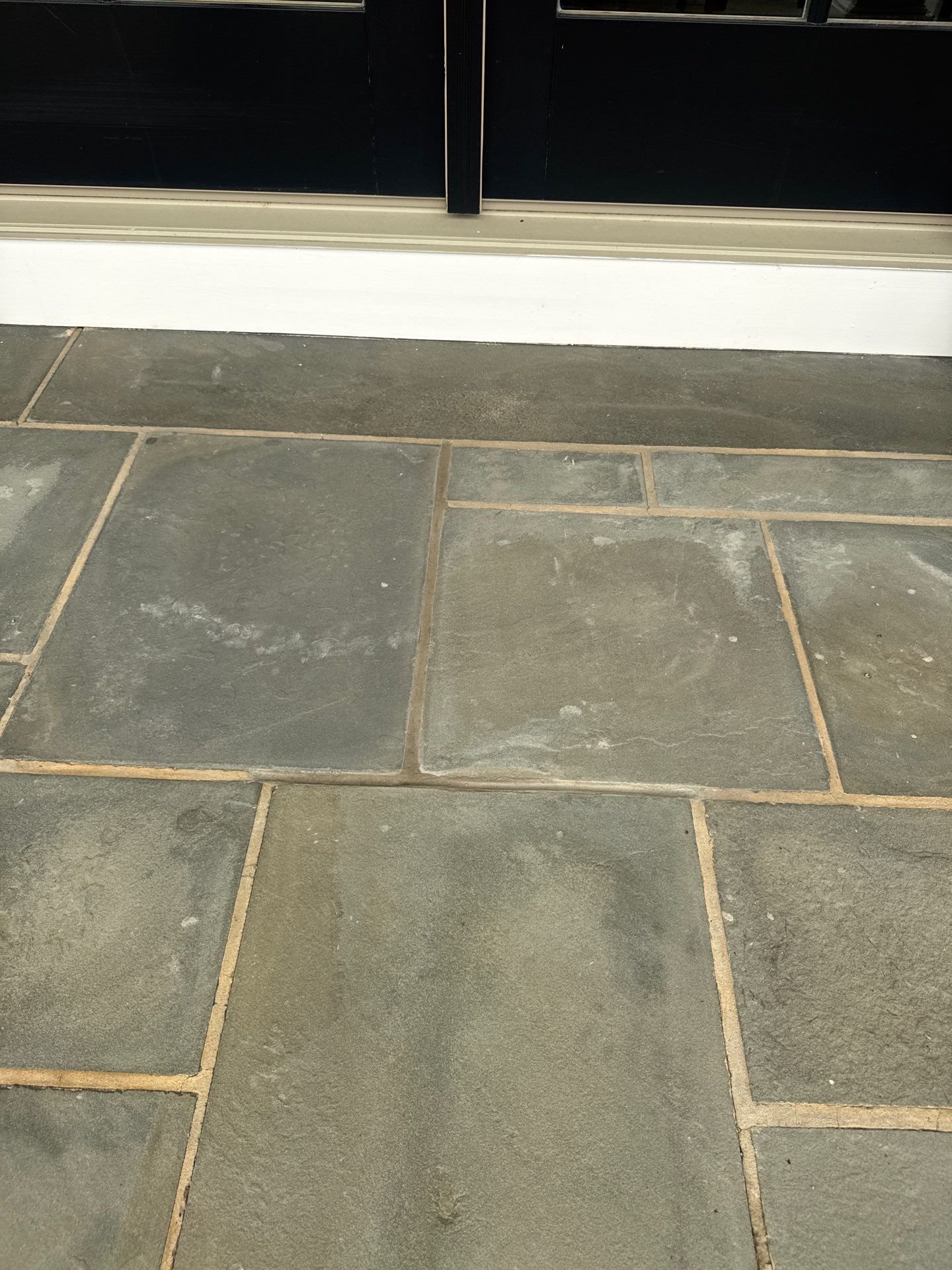
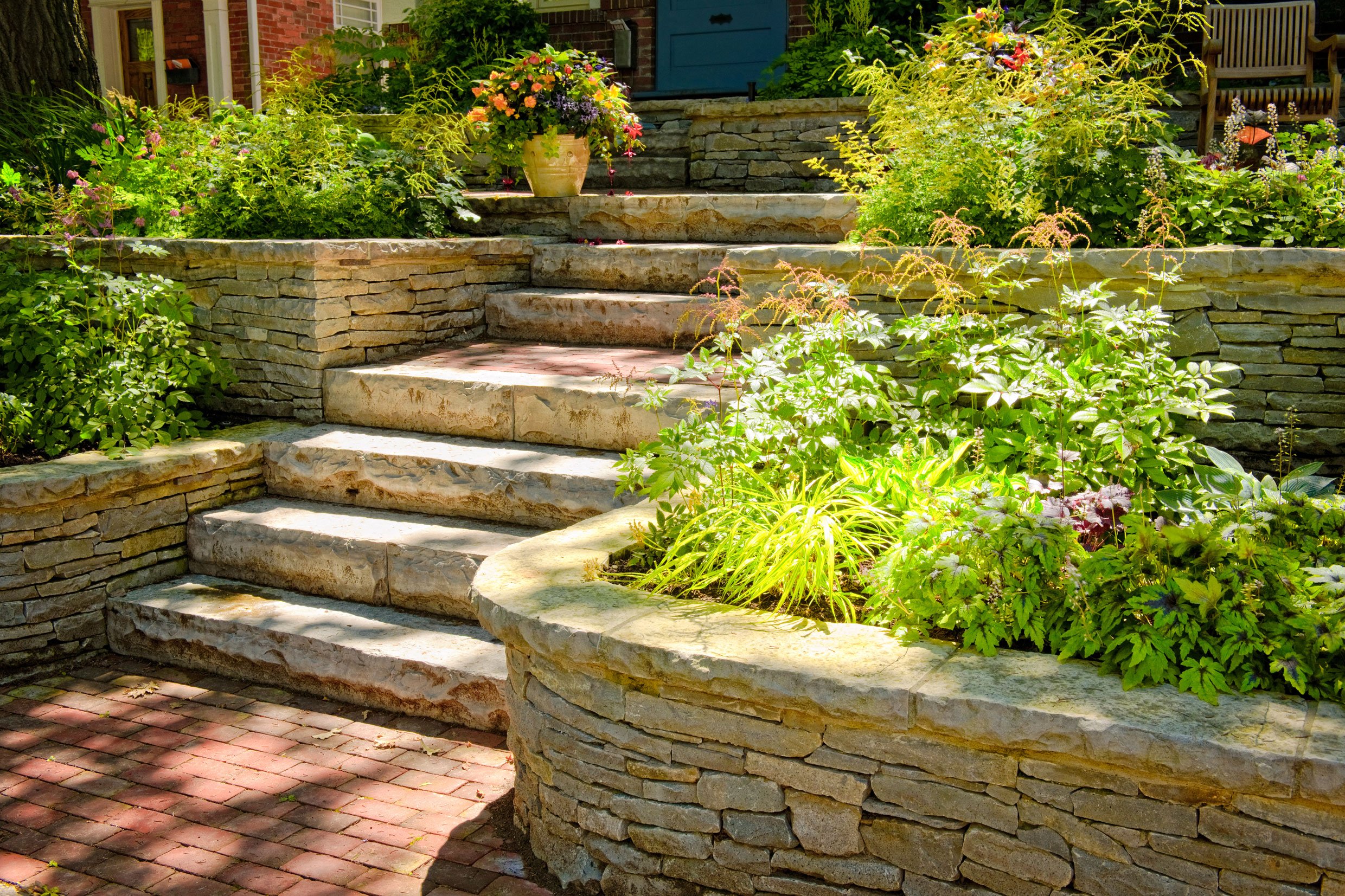
See related masonry work completed in Atlantic Highlands and nearby Bayshore and Monmouth County communities.
Let's Build Something That Lasts
Whether you are planning new stonework or restoring what you already have, Earth & Mortar brings careful planning and lasting craftsmanship to every project across Monmouth County, Spring Lake and Middletown.
“Brett and Faith are always reliable, trustworthy and very pleasant to work with. Highly recommend!”